Volkswagen Air Filter Services in North Charleston, SC
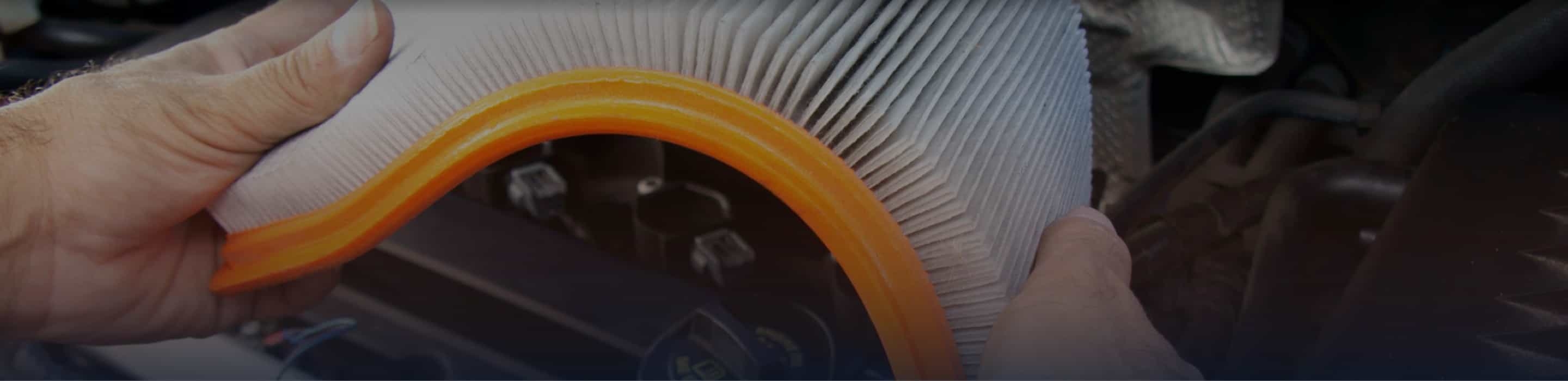
Straight Talk About Your Air Filters
Two different filters protect a modern vehicle, and the one an owner has in mind is not always the one that needs attention. At Stokes Volkswagen in North Charleston, SC, a filter visit starts by opening both housings and checking the seals around them, so the recommendation rests on what the technician actually sees. Our team services filters on all makes and models, from delivery vans to family crossovers. Vehicles that spend their days near construction sites, gravel lots or warehouse docks get extra attention at the intake, where fine grit can slip past a poor seal. You see the old filters and hear what they show before anything new goes in.
The Engineering Behind Your Air Filters
A vehicle breathes through two separate paths. Engine air enters through an inlet near the front of the vehicle, passes through a pleated filter in a sealed box under the hood and then flows through ducts to the throttle. Cabin air takes another route, drawn in at the base of the windshield, through a smaller filter usually mounted beneath the dash on the passenger side or under the cowl, and on to the blower that feeds the vents.
The two filters can look alike on a parts counter, yet they do very different jobs. The engine filter keeps abrasive dust out of an engine that inhales a huge volume of air on every drive, while the cabin filter cleans the much smaller stream headed for the people inside. Mixing them up is easy, and it leads to a common mistake: replacing the one that was fine and leaving the clogged one in place.
- The engine filter box usually sits near a front corner of the engine bay, closed with clips or screws and lined with a rubber seal around the lid.
- On many vehicles the cabin filter slides into a slot past the glove compartment, though some models reach it from under the hood at the cowl.
- Silica dust from concrete cutting and gravel lots is hard and sharp, so even small amounts that bypass the engine filter can wear internal parts.
- On many engines the airflow sensor sits just past the filter box, so a split duct beyond it lets in dust the filter never cleaned.
- Some cabin filters include activated charcoal media that soaks up smells and diesel fumes, while basic versions only trap particles.
Work vehicles, and commuters who park beside active construction, pick up a different kind of load than a car that lives in a garage. Concrete dust, sawdust and the fine powder kicked up by trucks on unpaved lots pack into the pleats far faster than ordinary road dirt, and a filter can go from clean to choked within one busy season. For owners in that environment, checks based on conditions make more sense, since the calendar says little about how much dust a filter has met.
Holding a filter up to a light and seeing some brightness is often taken as proof that it still works. Fine dust lodges deep in the media where it does not block light, and a filter can pass that test while restricting airflow noticeably. The reverse is also true, since a filter that looks dark on the surface may still flow well. The seal, the pleats and the housing say more than color alone.
What Ages Your Air Filters
Weak airflow at the dash vents is the cabin filter's most common complaint, and it often gets blamed on the air conditioner. A clogged filter cuts the volume of air the blower can move, so the vents may still feel cold but deliver only a trickle, even with the fan turned all the way up.
On the engine side, the signs are quieter. Modern engines adjust fuel to the air they measure, so a restricted filter rarely causes rough running, but it can blunt response when you press hard to merge. A torn filter or a gap at the seal causes the opposite problem, letting dust reach the airflow sensor and the engine itself while airflow seems normal.
- Vents that feel cold but move very little air, even on the highest fan setting.
- A fine gray coating on the dashboard or inside the vent louvers soon after the car has been cleaned.
- Dust caked on the engine side of the filter box, past the point where the filter should have stopped it.
- A whistle from under the hood or behind the dash that changes with fan speed or throttle.
- A dusty smell when the fan first switches on after the vehicle has been parked at a work site.
Weak vent airflow is not always the filter's fault. A worn fan motor, a mode door stuck halfway or a frozen evaporator can all cut the stream, and so can debris packed into the cowl intake ahead of the filter. Pulling the filter first is quick, and if it is clean, the technician moves on to those other causes.
Leaving a choked cabin filter in place makes the blower work harder and can shorten its life, while a torn engine filter lets abrasive dust into the engine every time it runs. Checking both housings now takes little time and catches either problem while it is still a filter and not a repair.
Air Filter Care Choices
The three services that follow address dusty work environments, the two-filter mix-up and the housing seals that make any filter worth installing.
Construction Dust and Work-Site Filter Care
Vehicles that work around concrete, sawdust or gravel get both filters pulled and inspected for packed grit, not only surface dirt. The technician looks at how deep the dust has worked into the pleats and whether any has slipped through toward the engine. Where the vehicle supports it, a cabin filter with charcoal media can be discussed for drivers who spend long days near diesel equipment. You leave with a sense of how quickly your conditions load a filter, based on what came out.
Engine Filter and Cabin Filter Identification Check
Many owners arrive unsure which filter was replaced last or which one a reminder message referred to. The technician opens each housing, shows you both filters side by side and explains the job each one does. Only the filter that is actually loaded is recommended, and one with life left goes back in. The visit record notes which filter was serviced, so the next reminder is easier to read.
Intake Housing Seal and Duct Inspection
A new filter only works if air cannot get around it, so the box, lid and gasket are checked for warping, broken clips and gaps. The duct from the filter box to the throttle is inspected for splits and loose clamps, especially beyond the airflow sensor. On the cabin side, the filter frame and the housing door are checked for a snug fit. Any cracked or worn piece is shown to you before a replacement is suggested.
Inside the Air Filter Visit, One Step at a Time
Each filter visit starts with a few questions about where the vehicle spends its day, how dusty those places are and whether any filter was changed at home. Those answers point the technician to the right housing and hint at what kind of debris waits inside.
A contractor's pickup came in with a request for an AC repair, since the vents had grown so weak that the cab never seemed to cool on hot afternoons. The owner expected a refrigerant leak or a tired compressor and was ready to approve either. The gauges told a different story, with normal pressures and cold air at the center vent, just very little of it. Under the passenger side of the dash, the cabin filter was packed solid with gray concrete dust from a season on job sites, and a new filter plus a vacuumed housing brought the airflow back with the refrigerant side untouched.
- Both housings are opened, and each filter is shown to you as it came out, next to a new one for comparison.
- The engine filter box is checked for dust on its clean side, a sign of a seal or housing problem.
- Blower airflow is checked with the new cabin filter in place, so a separate fan or door fault is not missed.
- Anything beyond the filters themselves is explained and priced first, and only the work you approve is done.
Once fresh filters are seated, the technician snaps the clips shut, checks the lid seal by hand and runs the engine to listen for any whistle at the duct joints. The fan is run through every speed to confirm strong, even flow at the vents.
Filter visits slot easily alongside an oil service or a tire rotation, so many owners pair them on one appointment. All makes and models are welcome, from fleet vans to imported sedans. Most straightforward filter services are finished within the appointment when the schedule and parts allow. Should a cracked housing need ordering, you hear so up front.
Air Filter Replacement Appointments at Stokes Volkswagen
Finding each filter on many Volkswagen models, along with the panel or glove compartment trim that has to come off first, is routine work for the Volkswagen-trained technicians at Stokes Volkswagen. Filter part numbers are matched to the VIN, so the frame fits the housing and the seal sits where the engineers intended.
On a Jetta or a Taos, the cabin filter is commonly reached from the passenger footwell, and the technician works carefully around the trim clips there. Volkswagen diagnostic software can show live airflow readings when an intake leak is suspected.
- Volkswagen-branded filters cut to the factory pattern are available to order when you prefer them over aftermarket ones.
- Where a Volkswagen offers a cabin filter with an odor-absorbing layer, your advisor can explain the difference.
- Your Volkswagen service file notes which filter was replaced and what condition the other one was in.
Find Stokes Volkswagen in North Charleston, SC
Neighboring Towns That Count on Our Air Filter Replacement
Industrial sites and ongoing construction along Palmetto Commerce Parkway put a steady diet of dust into the filters of the vehicles that work there. Commuters who reach those job sites by I-26 from Summerville or Ladson often find the cabin filter loaded well before they expected, and many bring their vehicles to Stokes Volkswagen in North Charleston for a look at both housings.
- Ladson, SC
- Charleston, SC
- Lincolnville, SC
- Mount Pleasant, SC
- Goose Creek, SC
- James Island, SC
- Summerville, SC
- Hanahan, SC
Which filter needs replacing, if either, is usually clear within minutes of opening both housings. The visit also confirms that each housing seals properly, which matters as much as the filter inside.
Questions About Your Air Filters, Answered
Owners in North Charleston often ask our technicians these filter questions.
Q: How is the engine filter different from the cabin filter?
Q: How does working near construction affect my filters?
Q: Can I tell if a filter is dirty just by looking at it?
Q: Why is my vent airflow weak when the AC still feels cold?
Q: Do you handle filter work for every make of car and truck?
Where the vehicle usually parks and works is useful to know ahead of the visit, since dusty sites change what the technician looks for first.
If a filter was changed at home recently, mentioning which one saves a step.
When You Are Ready for Air Filter Replacement
A packed filter does its damage slowly, starving the vents or letting fine grit sneak past a worn seal day after day. A quick inspection now settles which filter needs replacing and confirms the housings are tight.
You see both filters before any decision is made, and the one with life left stays in. Housing or duct repairs are priced on their own lines.
A two-filter inspection can go on the calendar through the Stokes Volkswagen website or a quick phone call. If the vehicle spends its weekdays at a dusty site, a note to that effect points the technician to the right housing first.
Service Specials

VW Battery Inspection

Brake Pad & Rotor Replacement

Vehicle Diagnostics

Legacy VW Diagnostic Special

Premium Oil Service
VW Air Filter Special

Volkswagen Alignment
Brake Fluid Exchange

Available on select tires. Offer valid 11.20.26–11.30.26.

Take care of your VW now through December 31, and choose a gift card from hundreds of top brands.