Volkswagen Brake Repair Services in North Charleston, SC
Dependable Brake Repair for North Charleston-Area Drivers
Brakes talk to the driver through the pedal and through sound, and in a humid coastal climate some of what they say is harmless while some of it is not. At Stokes Volkswagen in North Charleston, SC, every brake complaint is diagnosed before pads or rotors are recommended, so a morning noise or a pulsing pedal gets an explanation and not a guess. The service department repairs brakes on all makes and models, compact cars and full-size SUVs included. Technicians measure rotors, inspect pads and check the parking brake system, including the electronic type many newer vehicles use. You see the measurements and decide on the repair.
What Rotors, Pads and Parking Brakes Each Do
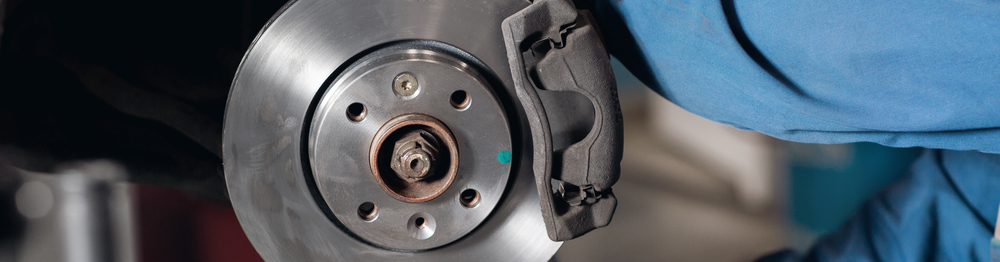
Disc brakes stop a vehicle by squeezing pads against a spinning iron rotor, and the smoother and flatter that rotor surface is, the more evenly the pads can grip. Each rotor is machined to tight tolerances for thickness and for how true it spins on the hub. When either measurement drifts, the driver feels it through the pedal and sometimes through the steering wheel.
What most people call a warped rotor is usually something subtler. A rotor that wobbles slightly as it spins brushes the pad unevenly, and over a long stretch of driving those light touches wear high and low spots into the iron. Patchy layers of friction material left on the rotor face can create the same effect. Both produce a pulse in the pedal that rises and falls with every revolution of the wheel.
- Lateral runout is how much a rotor wobbles side to side as it turns, measured with a dial indicator mounted near the rotor face.
- Thickness variation is the difference between the thickest and thinnest points on a rotor, checked with a micrometer at several spots.
- Rust on the hub face can hold a rotor slightly crooked, which creates runout even when the rotor itself is new.
- Lug nuts tightened unevenly, especially with an impact gun, can distort a rotor and its hub enough to start a pulsation.
- An electronic parking brake uses small motors at the rear calipers to apply the pads, controlled by a console switch instead of a lever or pedal.
Bare iron rotors start to rust almost as soon as they meet moisture, and a humid night near the coast is enough to leave a thin orange film on the braking surface by morning. The first few stops sweep that film away, often with a grinding or scraping sound that fades within a short drive. A car that sits for days, though, can develop deeper rust and a ridge at the rotor edge that normal braking will not clear.
Grinding from the brakes is widely taken as proof that the pads are worn through to the steel. On a damp morning, a short rasp that disappears after a handful of stops typically comes from the pads scraping off overnight surface rust, and it says nothing about pad thickness. Metal-on-metal wear sounds different, since it persists, worsens with every stop and often comes with a pedal that feels rough. Measuring the pads is the only way to tell the two apart with certainty.
Causes Behind Brake Complaints
A pedal that pulses during gentle stops from highway speed is one of the most common brake complaints, and it often shows up first on the exit ramp where the brakes do their hardest work of the drive. The steering wheel may shimmy at the same moment if the front rotors are the source.
Electronic parking brakes bring their own symptoms. A warning light on the dash, a whirring sound that runs longer than usual when the brake engages, or a message saying the parking brake is unavailable can each point to a worn rear pad, a failing caliper motor or a wiring fault. Rear pad replacement on these vehicles requires putting the system into a service mode first, since forcing the caliper piston back can damage the motor.
- A pulse through the brake pedal that grows stronger with firmer stops from higher speed.
- A grinding sound on the first stops of a humid morning that fades within a short distance.
- A grind or scrape that stays the same or gets louder throughout the drive.
- A parking brake warning light or message that appears when the vehicle is switched on or off.
- An orange ring of rust on the outer edge of a rotor, beyond where the pads contact it.
Not every pulsation is a rotor problem. A tire with a separated belt, a bent wheel or a worn suspension joint can all create a shake that feels like it comes from the brakes, and the ABS buzzing on a slippery surface is normal. A test drive comes first, and the wheels and tires get checked along with the rotors before anything is recommended.
Rotor thickness variation tends to grow once it starts, because the high spots run hotter and pick up more pad material. Deep rust left in place eats into the braking surface, and a parking brake fault can leave the vehicle unable to hold on a slope. Inspecting early often means resurfacing or cleaning in place of a full replacement.
Brake Repair Menu Near North Charleston
Pulsation, morning rust noise and electronic parking brake faults each get their own focused inspection below.
Pedal Pulsation and Rotor Runout Measurement
A test drive first confirms when the pulse appears and how strong it is. With the wheels off, a dial indicator measures runout and a micrometer measures thickness at several points around each rotor. The hub face is checked for rust or debris that could tilt the rotor. Depending on the readings, the rotors are resurfaced where enough material remains or replaced, and the wheels are tightened in sequence to the specified torque.
Humid Morning Rust and Grinding Noise Check
Owners who hear a grind on damp mornings can have the pads measured and the rotors inspected to separate harmless surface rust from real wear. The technician looks for a rust ridge at the rotor edge, pitting on the braking surface and pads that have picked up rust deposits. A vehicle that sits for long stretches may need the rotors cleaned up or replaced, and the slide pins and caliper brackets are checked for corrosion that can make a pad drag. You learn whether the noise is normal or a sign of something that needs attention.
Electronic Parking Brake Service and Rear Pad Replacement
A scan tool pulls any stored faults, and the caliper motors, switch and wiring are tested to find the cause of a warning. For rear pad replacement, the system is switched to its maintenance position so the caliper pistons can retract without damage. After new pads are installed, the parking brake is cycled and calibrated where the vehicle requires it. The technician confirms the brake applies and releases fully and that no warnings remain.
Our Brake Repair Process, Step by Step
A brake visit begins with your description of the noise or feel, including whether it happens only on the first stops of the day, only at higher speeds or all the time. Those details shape the road test that comes before the vehicle goes on the lift.
Harsh grinding on the way to work had a crossover owner convinced the pads were worn to metal and ready to approve a full brake job on both axles. The noise turned out to happen only on the first few stops after a muggy night, then vanish for the rest of the day. On the lift, every pad still had generous material left, and the rotors showed a fresh orange bloom across the braking surface with clean metal underneath. The grind was the pads scraping that overnight film away, so the advice was to watch for any change, and the brake job never happened.
- The road test notes when the noise or pulse appears, at what kind of stop and whether it changes as the brakes warm.
- Pad thickness is measured at each wheel, inner and outer, since one pad can wear faster than its partner.
- Rotor runout and thickness are measured with instruments rather than judged by feel.
- Every reading is written down for you next to a priced plan, and the work waits on your decision.
After the repair, the brake pedal is pumped to seat the pistons, and new pads are bedded in with a series of controlled stops that lay an even film of pad material on the rotors. Parking brake function is checked on a slope where possible, and a final road test confirms a smooth, quiet stop.
Rotors that have to be ordered are the usual reason a brake job stretches past one visit, so availability is checked before work starts. Brake work here covers all makes and models, imported or domestic. Most pad and rotor jobs leave the bay within one appointment when the schedule and parts allow. Any caliper or parking brake motor that must be ordered is named up front.
Brake Repair From a Volkswagen Shop
Auto Hold and an electronic parking brake come on many Volkswagen models, and the Stokes Volkswagen service team handles them with Volkswagen diagnostic software, which opens the rear calipers for pad work and recalibrates them afterward. Volkswagen factory training shows how the system behaves when it is healthy, so a weak caliper motor is easier to spot.
On a Tiguan or a Taos, pad and rotor specifications are confirmed by VIN, since brake packages can vary from one version of a model to the next. Where a vehicle carries driver assistance systems that use the brakes, the technician confirms no related warnings remain after the repair.
- Owners who want the original pedal feel can choose Volkswagen pads and rotors, which can be ordered by part number.
- Auto Hold and the electronic parking brake are tested together, where fitted, before the vehicle is returned.
- Rotor and pad measurements are saved to your Volkswagen service file for comparison at the next visit.
Find Stokes Volkswagen in North Charleston, SC
Where Our Brake Repair Customers Drive In From
Humid nights are a fact of life in North Charleston, and cars parked outside in apartment lots or along the curb wake up with rust on their rotors more mornings than not. Drivers heading out Ashley Phosphate Road or up US-52 hear that rasp on the first few stops, and those who notice it lasting longer than usual bring their vehicles to Stokes Volkswagen to find out why.
- James Island, SC
- Goose Creek, SC
- Lincolnville, SC
- West Ashley, SC
- Moncks Corner, SC
- Charleston, SC
- Hanahan, SC
- Mount Pleasant, SC
A measured inspection separates a harmless morning noise from a worn pad or a rotor that needs work. Most owners leave knowing exactly where their brakes stand.
Asked Often About Brake Repair
These are the brake questions drivers in our area ask our technicians most often.
Q: Why do my brakes grind for the first few stops on humid mornings?
Q: What causes a pulsing brake pedal?
Q: Can rotors be resurfaced, or do they always need replacing?
Q: Why does my parking brake make a whirring noise?
Q: Is brake work open to any vehicle, whatever company built it?
Describe when the noise or pulse shows up, first thing in the morning, at highway speed or on every stop, when you schedule the visit.
If a parking brake warning has appeared, a photo of the message is useful to share.
Start Your Brake Repair Visit
A rotor that pulses today tends to pulse harder over time, and rust left on a rotor edge or caliper slide keeps spreading. Measuring now often means a resurfacing or a cleanup where waiting could mean new rotors and calipers.
You see the rotor and pad measurements before any part is ordered, and each item on the estimate stands alone, so you can pick what to do now. Brakes that measure well are left alone.
When a morning grind outlasts the first few stops, or the pedal starts to pulse, book a brake inspection with Stokes Volkswagen online or by phone. Mention whether the car sleeps outside, since overnight humidity changes what the rotors look like.
Service Specials

Vehicle Diagnostics

Brake Pad & Rotor Replacement

Legacy VW Diagnostic Special

VW Battery Inspection

Premium Oil Service

VW Air Filter Special
Volkswagen Alignment
Brake Fluid Exchange

Take care of your VW now through December 31, and choose a gift card from hundreds of top brands.