Volkswagen Coolant System Services in North Charleston, SC
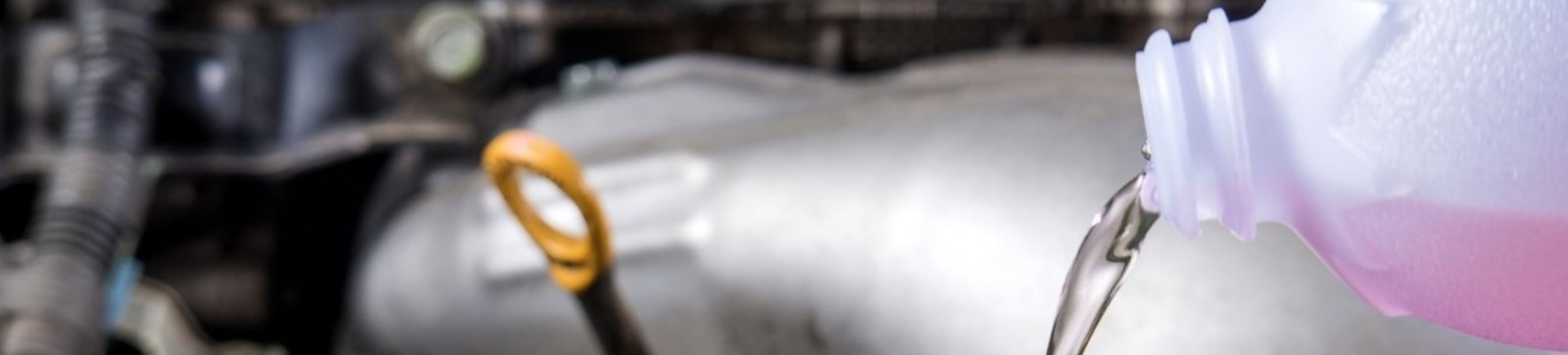
Something Off With Your Cooling System? Act Early
A temperature needle that drifts upward in slow traffic and settles again on the open road is a clue with a short list of suspects, and guessing among them gets expensive. The service department at Stokes Volkswagen in North Charleston, SC sorts that list by testing before any part is ordered. Our technicians take in every kind of vehicle, all makes and models, whether it is a small commuter car or a crew cab work truck. A visit begins by confirming which coolant the engine was designed for, watching the radiator fan respond as the engine warms and pressurizing the system to expose leaks that hide when it is cold. You see the findings and approve the plan before work begins.
How Coolant, Fans and Thermostats Share the Work
An engine sheds heat through a loop with several moving parts, and each one has a moment when it is supposed to act. The thermostat stays shut while the engine warms, then opens to send coolant to the radiator. The radiator only gives up heat when air crosses its fins, which at highway speed happens on its own and at a standstill depends entirely on the fan.
The split between moving air and still air explains a lot of cooling complaints. A system can hold steady at cruising speed for a long time while a fan relay, a temperature input or the fan motor itself has already quit, because road speed was doing the fan's job. The weakness only shows when the vehicle sits in slow traffic or idles in a parking lot on a warm afternoon.
- Most current vehicles switch the radiator fan on through the engine computer, which reads coolant temperature and decides when extra airflow is needed.
- Many vehicles with air conditioning also run the fan whenever the AC is on, so a fan that works only with the AC selected points toward the temperature side of the circuit.
- A thermostat stuck closed overheats an engine quickly at any speed, while one stuck open leaves the engine running cool and the heater weak.
- Coolant families use different additive packages, and the correct one for an engine is listed in its service information, not judged by the color in the bottle.
- Some cooling systems hold pressure well when cold and seep only once the metal expands, so a cold visual check can miss a real leak.
Coolant type deserves its own check because mixing happens quietly. A previous owner, a quick lube visit or a roadside refill can add a fluid that does not match what the engine left the factory with, and the bottle may still look normal. Some combinations simply weaken protection, while others can form sludge that narrows the small passages in the radiator and heater core.
Rising temperature in traffic is often read as the first sign of a failing head gasket, and that fear sends some owners shopping for another vehicle. A head gasket problem tends to leave other evidence, such as coolant disappearing with no visible leak, bubbles in the bottle or exhaust gas detected in the coolant. A needle that climbs only when the vehicle stops moving and drops again once it rolls points first toward airflow, and the fan is the usual place to look.
Time to Look at Your Cooling System
Some cooling faults announce themselves with steam, but most begin with small changes that are easy to explain away. Noticing when the gauge moves, and when it does not, gives the technician a head start.
Timing tells the story. A gauge that rises within minutes of a cold start suggests a thermostat stuck closed or very low coolant, a gauge that climbs only at idle or in slow traffic leans toward the fan, and a gauge that rises on a long uphill pull under load can point to a radiator that no longer flows well inside.
- The needle sits normal on the interstate but creeps upward after several minutes of idling in a drive-through line.
- No fan roar comes from the front of the vehicle after a hot drive, even when the temperature reading is high.
- The coolant level drops slowly between visits, yet the driveway stays dry under the parked vehicle.
- The AC blows warmer at stoplights at the same moment the engine temperature starts to rise, a pairing that often traces to missing airflow.
- A crusty white or colored residue appears on a hose clamp, the radiator end tank or the water pump body.
Not every high reading comes from the cooling system itself. A failing temperature sensor can send a false number to the gauge, and a dragging brake or a clogged condenser in front of the radiator can add heat the system was never meant to handle. Comparing the sensor reading with a measured temperature at the radiator and engine separates a real overheat from a reporting fault.
Running an engine hot, even briefly and repeatedly, stresses gaskets, warps aluminum parts and ages the coolant faster. A fan relay or a thermostat is a modest repair, while the damage from ignoring them is not. Having the cause confirmed while the engine is still healthy keeps the choices simple.
Picking the Right Cooling System Visit
These three tests split a cooling complaint into fluid, airflow and sealing, and the clues you describe decide which one comes first.
Coolant Type Match and Blend Check
The technician looks up the coolant your engine was built for and compares it with what is actually in the system, since a fluid that looks right can still be the wrong family. A sample is checked for protection level, contamination and signs of sludge or oil. If two incompatible types have been mixed, your advisor explains whether a drain and refill or a more thorough flush fits the condition found. The system is then filled only with the specified coolant.
Cooling Fan and Thermostat Response Test
With a scan tool connected, the engine is brought up to temperature while the technician watches the coolant reading and listens for the fan to engage. The fan can also be commanded on directly, which separates a bad motor from a relay, fuse, wiring or sensor fault. Hose temperatures on each side of the thermostat show when it opens and whether it opens fully. You get a clear answer on which part failed to do its job.
Hot and Cold Pressure Leak Search
A pressure tester replaces the cap and holds the system at its working pressure, first cold and then after the engine has warmed and the metal has expanded. The tester gauge reveals any slow drop, and the technician inspects hoses, end tanks, the water pump and gasket edges for fresh seepage. Where needed, dye can be added to trace a weep that only appears while driving. The cap itself is tested as part of this, because a weak cap can let coolant escape with no leak anywhere else.
Step-by-Step Cooling System Repair at Stokes Volkswagen
A cooling visit starts with the engine cold and a few questions about when the gauge moves, whether the AC was on and whether coolant has been added lately. The technician then checks the level, inspects the fluid in the bottle and notes any residue around the hoses before connecting test equipment.
Consider a minivan whose temperature gauge climbs every afternoon while it waits in the pickup line outside a school, then falls back to normal once the line starts moving. A relative is sure the head gasket has failed, and the family comes in braced for a large repair bill. The coolant tests clean with no exhaust gas present, the level is full and the system holds pressure without a drop. With the engine warm and the reading on the scan tool high, the fan never turns on, and commanding it directly proves the motor works while its relay does not. A new relay brings the fan on at the right moment, and the head gasket was never part of the story.
- The coolant type and condition are confirmed first, so the rest of the testing is not skewed by the wrong fluid.
- The system is pressure tested cold and again warm, catching seepage that appears only once the parts expand.
- Fan operation and thermostat opening are watched on the scan tool as the engine reaches temperature, with the fan also commanded on by hand.
- Nothing gets replaced until the readings have been walked through with you and you have signed off on the estimate.
After a repair, the system is refilled with the specified coolant and air is purged according to the procedure for that engine. The engine is idled until the fan cycles on and off, and the temperature reading is compared with a measured value before a road test.
A cold engine has to warm all the way up before fan and thermostat faults show themselves, so the technician plans the visit around a full warm-up cycle. Vehicles of all makes and models are booked for this testing, and when the schedule and parts allow, a stuck thermostat, a failed relay or a split hose is usually sorted out on the day it arrives. If a radiator or fan assembly needs ordering, the advisor says so at check-in.
Volkswagen Parts and Tools for Your Cooling System
Volkswagen engines bring their own cooling details, and technicians with Volkswagen factory training at Stokes Volkswagen work from the service information written for them. Many Volkswagen models specify a particular coolant family, so the correct type for your engine is confirmed by VIN before anything is added. Some newer Volkswagen engines manage coolant flow electronically where fitted, and testing follows the Volkswagen procedure for that design.
On an Atlas or a Tiguan, Volkswagen diagnostic software can show live coolant temperature and command the radiator fan during testing. Refilling a Volkswagen cooling system can follow a set sequence, and some models are filled under vacuum so no air pocket is left near the engine.
- Volkswagen coolant, thermostats and fan components can be ordered for owners who prefer factory parts.
- Open Volkswagen campaigns and service bulletins on the cooling system for your model are checked during the visit.
- The coolant type found and the pressure test result are noted in your Volkswagen service record.
Find Stokes Volkswagen in North Charleston, SC
Cooling System Repair for Drivers All Around North Charleston
Families stationed at Joint Base Charleston often arrive with vehicles that have crossed several states and passed through several shops, and the coolant inside may not match what the engine was built for. Daily crossings on I-526 mix steady cruising with sudden backups near the river crossings, which is exactly where a weak fan gives itself away. Drivers from North Charleston and the towns around it bring those cooling questions to Stokes Volkswagen.
- Goose Creek, SC
- Summerville, SC
- Hanahan, SC
- Ladson, SC
- James Island, SC
- West Ashley, SC
- Mount Pleasant, SC
- Moncks Corner, SC
A gauge that rises only at idle is one of the more direct cooling faults to confirm with a scan tool. Catching it before the engine runs truly hot keeps the repair to a fan part or a thermostat.
Cooling System Questions From Owners
These are the cooling questions North Charleston drivers ask our advisors most.
Q: Why does my engine run hot in traffic but not on the highway?
Q: Can I add a universal coolant to any vehicle?
Q: Does a rising temperature gauge always mean a head gasket problem?
Q: Why does a pressure test sometimes need a warm engine?
Q: Is cooling system testing open to any make I drive?
Noting whether the gauge climbs at idle, on hills or right after starting gives the technician a strong place to begin.
If another shop topped up the coolant recently, knowing which type it used saves a test.
Arrange Cooling System Repair at Stokes Volkswagen
Each hot idle with a dead fan pushes the engine closer to warped parts and failed gaskets. Confirming the cause now usually means a relay, a thermostat or a hose, not an engine repair.
Each test result arrives with a price per item, and no part changes until you agree. Repairs that are less pressing are kept on a separate list for planning.
Reserve a cooling system test with Stokes Volkswagen through the website scheduler or the service phone line. Mention when the gauge moves and whether any coolant has been added recently, and the testing can start in the right place.
Service Specials







Available on select tires. Offer valid 11.20.26–11.30.26.

Take care of your VW now through December 31, and choose a gift card from hundreds of top brands.